
Nepal is gearing up for one of the most crucial elections in recent memory, and while political debates rage on in the media, there is a demographic whose influence could truly sway the outcome: the youth. With over 60% of Nepal’s population under the age of 35, young voters are no longer just a background statistic they are becoming the decisive force shaping the nation’s future.
Gen Z Protests Set the Stage
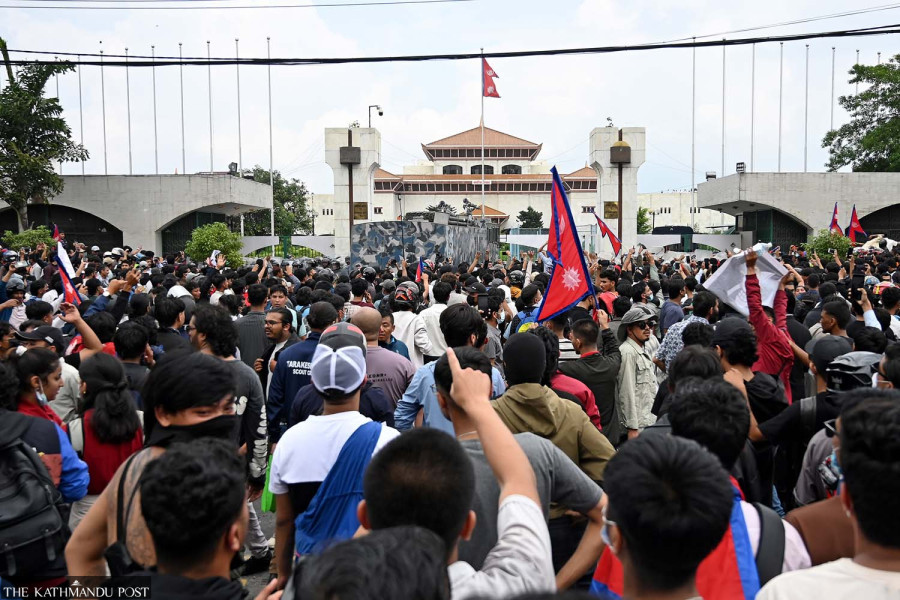
Late last year, Nepal witnessed widespread youth-led Gen Z protests, demanding accountability, transparency, and change in the political system. These demonstrations reflected growing frustration with entrenched political elites and set the stage for early elections. The movement has made it clear that the voices of young voters cannot be ignored.
Rising Young Leaders
This election has also seen the emergence of new leaders who appeal to younger voters:
- Balen Shah, former Mayor of Kathmandu and a popular figure among youth, is contesting the Prime Ministerial race through the Rastriya Swatantra Party. His candidacy has energized young voters who are eager for change.
- Gagan Thapa, recently elected as President of the Nepali Congress, is the party’s Prime Ministerial candidate. His leadership represents a new generation within a traditional party, aiming to attract youth support.
- KP Sharma Oli, a veteran leader, remains a major contender, contesting directly against Balen Shah in Jhapa‑5, creating a symbolic old guard vs new generation showdown.
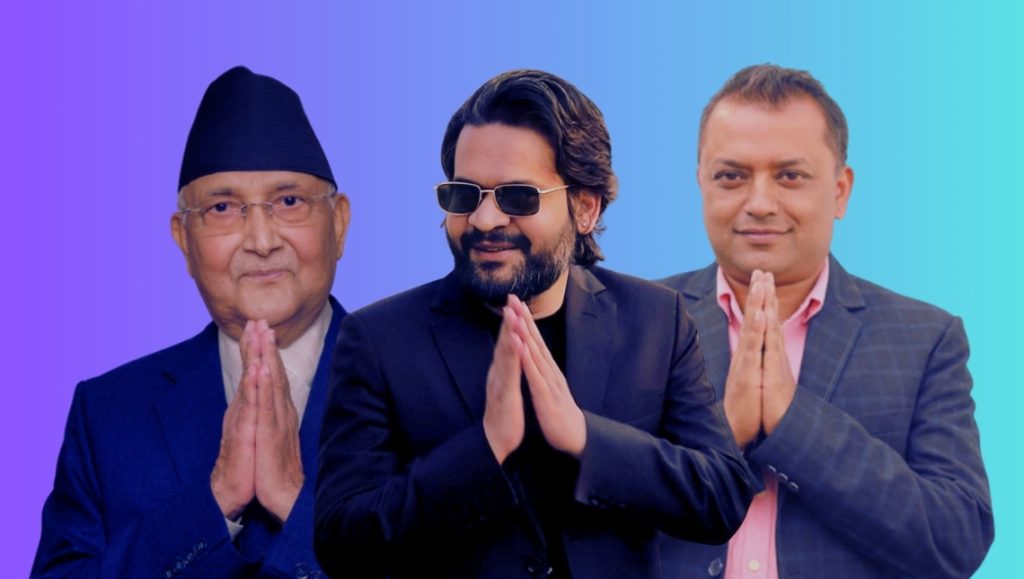
These developments show how young leaders are not just participating, they are leading campaigns and shaping the national narrative.
The Power of the Youth Vote
The Jhapa‑5 contest between Balen Shah and KP Oli highlights how youth turnout can tip results. Similarly, Gagan Thapa’s leadership in the Nepali Congress demonstrates that traditional parties are now actively courting younger voters. Mobilizing this demographic is no longer optional, it is crucial for electoral success.
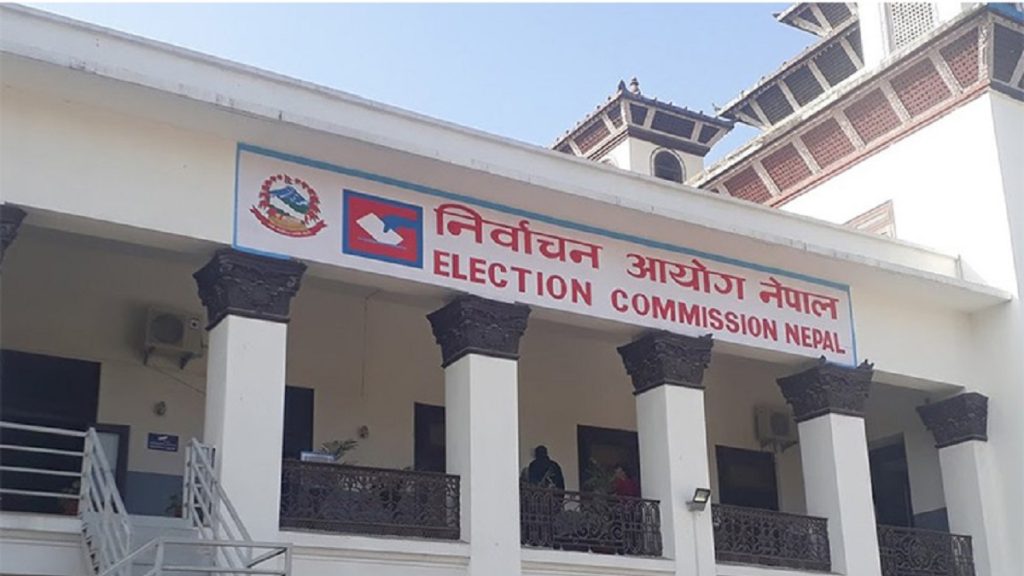
Nepal’s 2026 election is not just a contest between parties; it is a reflection of generational change. Young voters, empowered by activism and inspired by fresh leaders like Balen Shah and Gagan Thapa, could decide the nation’s next government. For Nepal, this election is proof that youth are not just the future, they are the present.